ServicesBank Statement Loans
Bank Statement Loans in Wimberley
Self-employed borrowers often earn more than their tax returns show, thanks to write-offs. A bank statement loan uses your actual deposits to qualify you instead. We give you a plain answer on whether it fits, plus a realistic look at the rate before you commit to anything.
A home loan built around how self-employed people earn
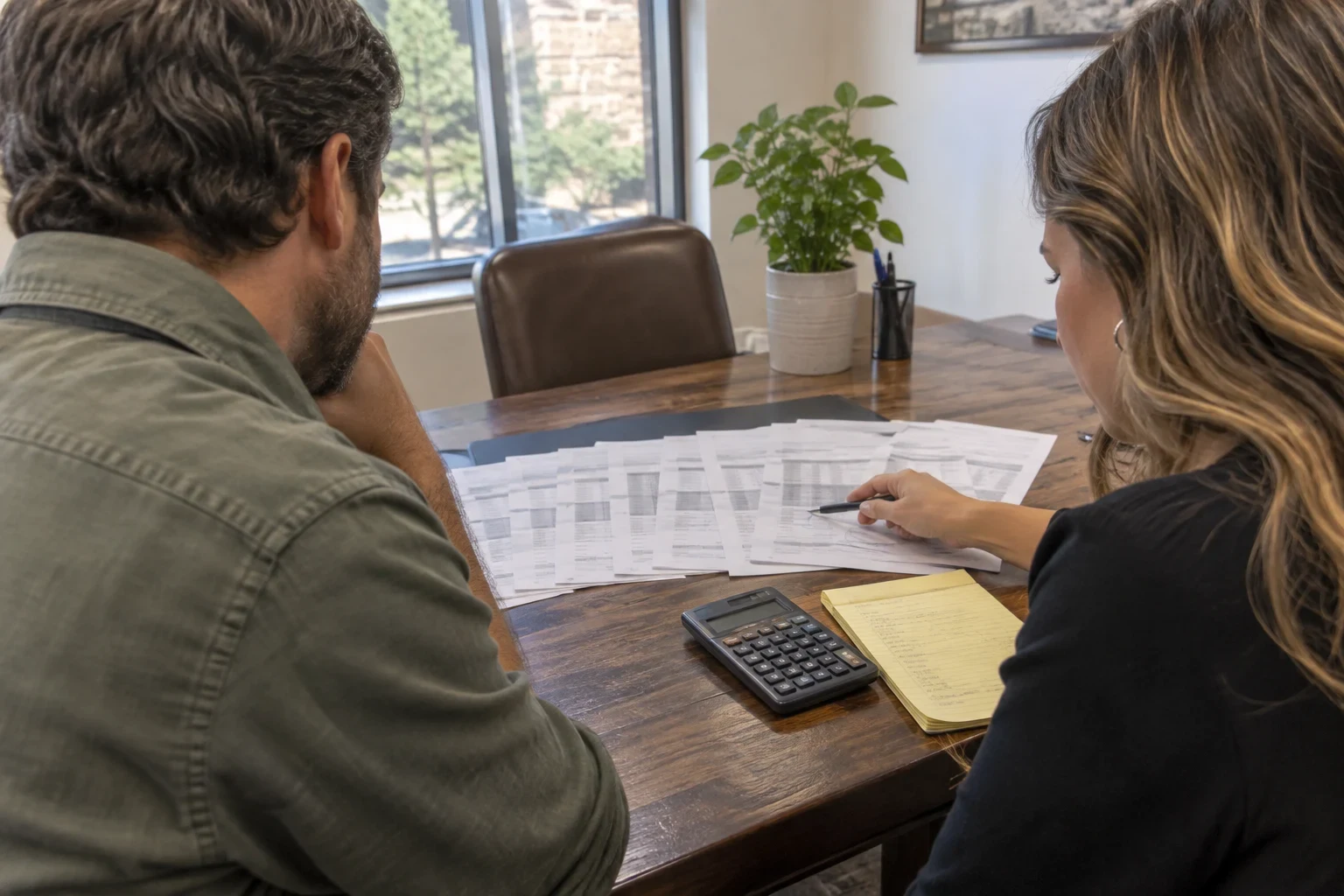
Write-offs are good for your tax bill and hard on a mortgage application. A conventional lender reads your net income after deductions, so a business that clears plenty of cash can look thin on paper. A bank statement loan skips the tax returns and looks at 12 or 24 months of personal or business bank statements to work out a monthly income figure.
It is not the right call for everyone. These loans usually carry a higher rate and a larger down payment than a conventional loan. If your returns already show enough income, a Conventional Loan or FHA Loan will likely cost you less, and we will say so on the first call.
We work with business owners, contractors, rental hosts, consultants and gig workers across Wimberley and nearby towns like Dripping Springs and San Marcos, by phone, video or at our office.
What we handle on a bank statement loan
- Statement review before you apply
- We look at your deposits first and flag anything an underwriter will question, like transfers between your own accounts or a single large deposit. You hear about problems before they cost you an application.
- Personal or business statements
- We compare both options. Personal statements often count more of each deposit, while business statements apply an expense factor. We run the numbers both ways and show you which gives the stronger income figure.
- Expense factor explained
- With business statements, the lender subtracts an assumed share of deposits as business expenses. If your real expenses are lower, a letter from your CPA or tax preparer can sometimes support a better number.
- 12-month versus 24-month choice
- A strong recent year may favor 12 months. A steadier two years may favor 24. We tell you which period makes your income look the way it really is.
- Rate and down payment options
- We lay out how a bigger down payment or a better credit score changes the rate, side by side, so you can decide where your money does the most work.
Signs a bank statement loan may fit you
You were turned down over income
A lender liked your credit and savings but said your tax returns did not show enough income. That is the exact gap this loan was made for.
You file a Schedule C or own a business
Sole proprietors, LLC owners and S-corp owners with heavy deductions often qualify for more on deposits than on returns.
Your income swings month to month
Seasonal work, project billing or short-term rental income averages out over 12 or 24 months of statements.
You recently went out on your own
Some programs work with a shorter self-employment history than conventional rules allow. We will check how long you have been in business and what that means for your options.
You have solid savings and steady deposits
Reserves and a clean deposit history are what underwriters lean on here. If you have both, you are likely a good candidate.
What moves your rate and costs
Lenders price bank statement loans on risk, so a few details carry more weight than they would on a standard mortgage. We go through each one using your actual numbers. You will see what is shaping your quote and which pieces you could change.
Down payment size
Putting more down generally earns a lower rate and opens up more programs. A thinner down payment leaves fewer choices on the table.
Credit score
On these loans, even a modest jump in score can change pricing in a way you will notice. If you sit just below a better tier, we will point that out.
Cash reserves
Lenders like to see several months of payments still in the bank after closing. Healthy reserves can make up for weaker spots elsewhere in the file.
Deposit consistency
Regular deposits read as dependable income. Big deposits with no clear source, or a run of shrinking months, can pull the qualifying figure down.
Property type and use
A place you will live in full time gets better pricing than a vacation property or a rental. If you are buying a rental, we may also compare Hard Money Loans or a Bridge Loan for short-term needs.
How the process runs
- 1
A short phone conversation
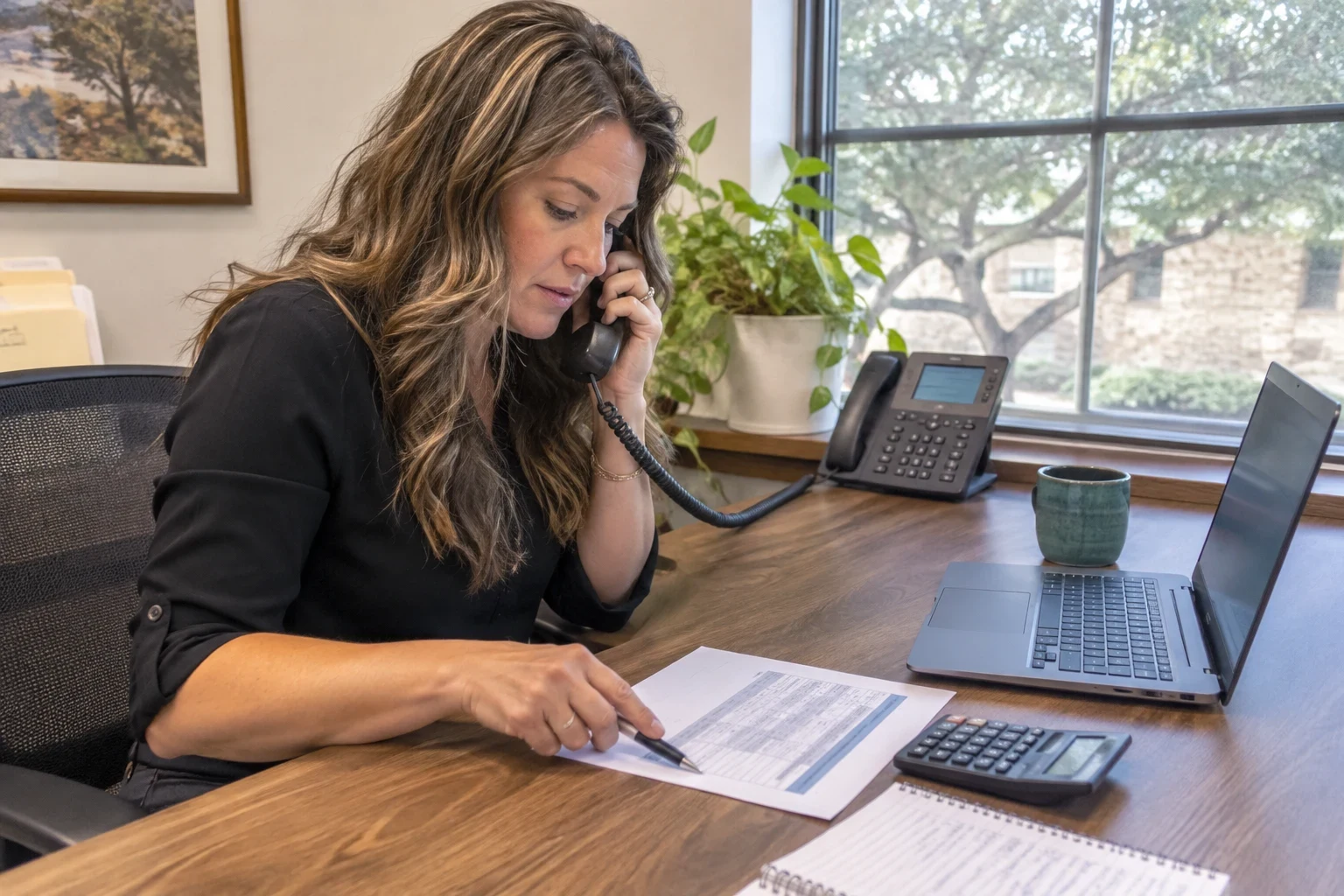
Tell us what you do, roughly what comes in each month and what you want to buy or refinance. We give you a straight read on whether this loan or another one fits.
- 2
Send your statements
We go through 12 or 24 months of statements and work out a qualifying income. When your personal and business accounts tell different stories, we figure out which set serves you better.
- 3
Pre-qualification and rate quote
You get a pre-qualification amount and an honest rate picture built from your credit, down payment and income figure. Nothing is left vague for later.
- 4
Application through closing
When you are under contract, we take your full loan application and set up the appraisal. Underwriters often come back with follow-up questions about deposits, and we handle those quickly. You stay updated right through closing day.

Bank statement loan questions
Do I need to show any tax returns at all?
For most bank statement programs, no. The statements take the place of tax returns for income. You will still need proof that you are self-employed, such as a business license, a CPA letter or similar records.
Is the rate higher than a regular mortgage?
Usually, yes. These are outside standard agency guidelines, so lenders price in more risk. Some borrowers start here and refinance later into a conventional loan once their tax returns show enough income.
Can I use both personal and business accounts?
Generally you pick one set of statements to qualify on. We calculate income both ways and recommend the one that gives you the stronger, cleaner number.
Will transfers between my accounts count as income?
No. Transfers from your own accounts, loans and refunds get backed out. That is why we review statements before you apply, so the figure you hear from us holds up in underwriting.
Can I use this loan to buy an investment property?
Often, yes, though the down payment and rate will typically be higher than for a primary residence. Tell us how you plan to use the property and we will show you the options that fit.
See how much your bank deposits can support
Before we talk, jot down about what lands in your accounts each month and your approximate credit score. With those two numbers we can cover your options in a single conversation. You will hear a clear answer on fit and a realistic look at the rate.