ServicesUSDA Loans
USDA Loans in Wimberley
With a USDA loan, you can finance the full price of a house with nothing down, as long as the address is in an eligible area and your family earns under the county limit. We confirm both before you shop and show you the true monthly payment.
USDA financing in plain terms
This is a 30-year fixed-rate home loan backed in part by the U.S. Department of Agriculture. Because of that backing, a lender can cover the entire purchase price. Outside of VA loans for veterans, very few programs let a buyer put nothing down.
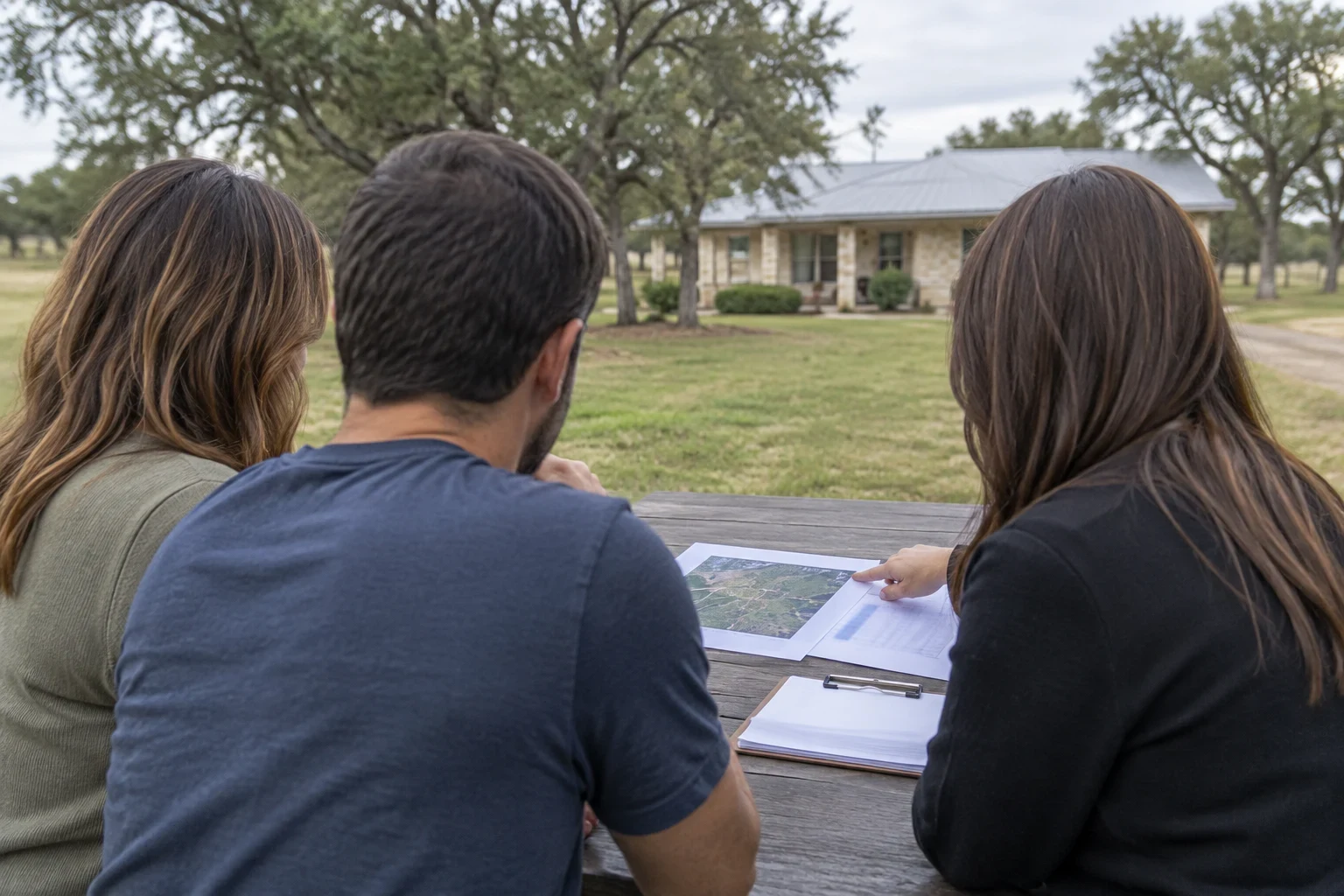
There are two tests. First, the property has to be in a location USDA lists as eligible. Second, the combined income of all adults who will live there must stay under a limit set by county and family size. Many places outside the busier stretches of Wimberley, San Marcos and Kyle pass the location test, but USDA rules on each address separately, so we look it up before you fall for a listing.
Some buyers are better served elsewhere. If you have a down payment set aside, or your income runs above the limit, a conventional or FHA loan might be the stronger fit, and we will tell you that up front instead of steering you to one program.
What we handle on a USDA loan
- Eligibility check on address and income
- We run the property through USDA's eligibility map and compare your family's earnings with this year's county limit. That tells you right away whether the program is an option.
- Pre-qualification and pre-approval
- After looking at your credit, income and monthly debts, we write a pre-approval letter showing a price range you can actually reach. It gives your offer more weight with listing agents and sellers.
- Fee breakdown
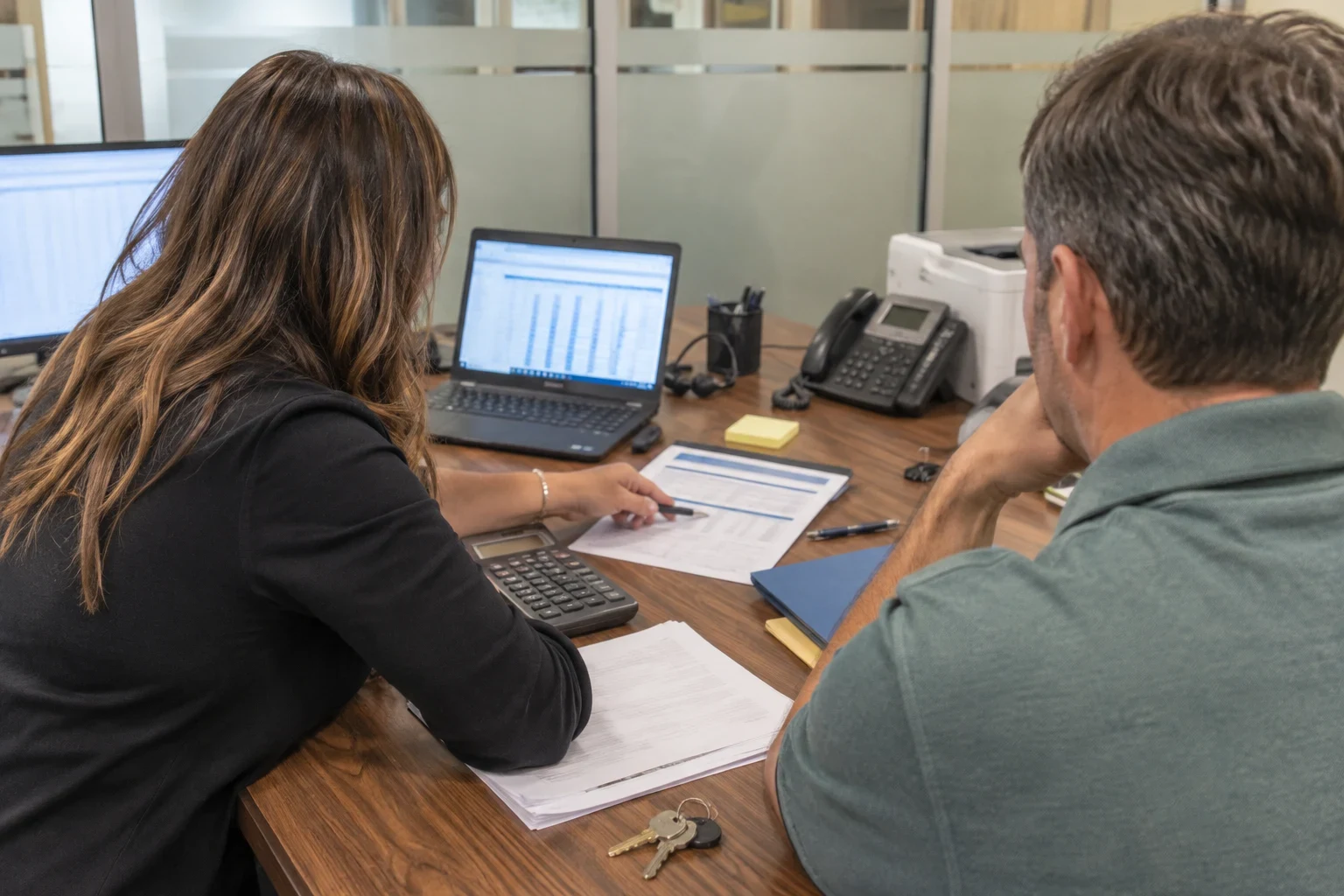
- Your estimate lists the upfront guarantee fee, which most buyers finance, and the yearly fee folded into each payment. Nothing is left out of the number you see.
- Appraisal and property standards
- USDA requires a house that is safe, structurally sound and ready to live in. If the appraisal raises a concern, we explain what it means and what you can do about it before closing.
- Lender and USDA review
- Once our underwriter approves the file, USDA gives it a final look of its own. We follow that review and check in with you so you are never left wondering.
Signs a USDA loan may be your best option
Saving a down payment is the hold-up
You can handle a monthly payment, but building a large down payment would take years. USDA removes that barrier.
You are looking outside the bigger towns
The property is on the edge of town, in the Hill Country, or somewhere with a rural feel. Those areas are often eligible.
Your income is steady but moderate
You earn enough to qualify for the payment but stay under the county income limit for your family size.
You plan to live there
USDA is for primary residences only. If this will be where you live full time, the program works.
FHA mortgage insurance looked steep
For some buyers, USDA's annual fee comes in lower than FHA mortgage insurance. We can compare the two side by side.
Where the costs of a USDA loan come from
No down payment is not the same as no cost. You still pay a rate, two USDA fees and normal closing charges, and each one shifts with a few factors. One phone conversation is usually enough to cover them all.
Credit score and payment history
Stronger credit usually means a lower rate and a smoother run through USDA's automated approval system. A thin or bumpy record can still get approved, but expect underwriting to ask for extra documents.
Upfront and annual USDA fees
The program charges a one-time guarantee fee when the loan starts, and most buyers roll it into the balance. A smaller yearly fee is split across your monthly payments.
Closing charges and seller help
Title work, the appraisal and initial escrow deposits for taxes and insurance all add up at closing. USDA lets the seller cover some of these, which can lower the cash you bring to the table.
Existing monthly debts
Car payments, student loans and minimum card payments are weighed against what you earn. They set how much you can borrow and how much scrutiny the file gets.
Condition and size of the property
A house needing work, or a large lot with a modest house on it, can complicate the appraisal and change your final figures.
From first call to closing on a USDA loan
- 1
Start with a quick conversation
We go over what you earn, what you owe, your credit and the area you are shopping in. By the end, you have a rate quote and an honest read on whether USDA fits.
- 2
Documents and your pre-approval letter
We gather your latest pay stubs, W-2s or tax returns, and two months or so of bank statements. Once we review them, you get a pre-approval letter to shop with.
- 3
Offer accepted, appraisal ordered
With a signed contract, we order the appraisal and send the file to underwriting. Properties on a private well or septic may need a water test or inspection, and we flag that as soon as we know.
- 4
USDA guarantee, then closing day
After our approval, USDA reviews the file and issues its guarantee. We set the closing date and walk you through the final numbers before you sign anything.
Common USDA questions, answered
Does the property need to be a farm, or do I need to farm?
Not at all. The program sits under the Department of Agriculture, but it is a home loan for regular buyers who want a place to live. The address must be in an eligible area, and the property cannot be an income-producing farm.
Which people's earnings count against the income cap?
USDA looks at the income of every adult who will live in the house, including adults who are not on the loan. That catches a lot of buyers off guard, so we raise it on the first call. Some deductions, such as the allowance for dependent children, can bring the counted figure down.
Can a USDA loan be used for a rental or a vacation place?
No. It only covers a primary residence where you will live full time. If you plan to rent out or resell the property, we can talk through hard money loans or conventional loans instead.
Will a USDA loan take longer to close?
Usually a bit longer, since USDA does its own review after our underwriter approves the file. Getting documents back quickly and choosing a property likely to appraise cleanly both help keep things moving.
Is a well or septic system a problem?
No. Many eligible properties outside town rely on them. A water quality test or septic inspection may be required, and we tell you early so it gets scheduled without delaying closing.
If I have a USDA loan, can I refinance it later?
Yes. USDA has refinance options designed for borrowers who already hold a USDA loan. If rates drop or your situation changes, give us a call and we will lay out the choices side by side.
Find out if USDA works for you
Tell us the area you are shopping in and a little about your income. We will check eligibility, give you a rate quote and explain the next step in plain terms.