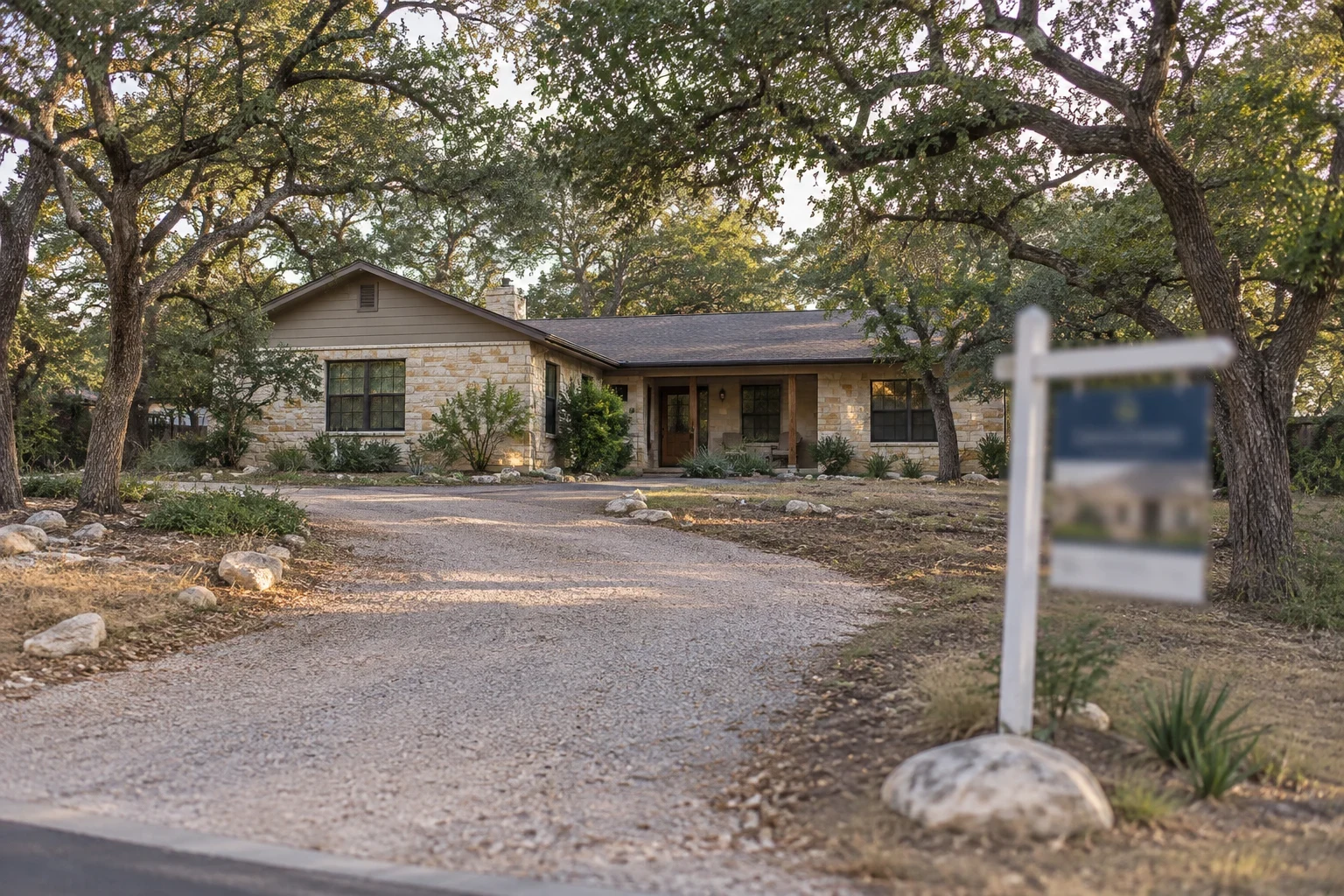
What are the benefits of a USDA loan for buyers in Wimberley?
A plain look at what a USDA loan does well, where it falls short, and how to tell if it fits your purchase.
What are the benefits of a USDA loan?
The biggest benefit of a USDA loan is that you can buy with no down payment. You also get a fixed rate that is often competitive, a guarantee fee that usually costs less each month than FHA mortgage insurance, and flexible credit review. The catch: the property and your income both have to qualify. Get a rate quote at (512) 782-8931.
What does a USDA loan actually give you?
A USDA loan is a home loan backed by the U.S. Department of Agriculture to help people buy in rural and small-town areas. Because the government guarantees part of the loan, lenders can offer terms that would be hard to get otherwise.
Here is what that means for you in practice.
- No down payment required. You can finance the full purchase price.
- A fixed rate, so your principal and interest payment stays the same for the life of the loan.
- A guarantee fee instead of traditional mortgage insurance. The upfront part can be rolled into the loan, and the annual part is often lower than FHA mortgage insurance.
- Closing costs can be covered by the seller, and in some cases financed if the property appraises above the price.
- Credit review that looks at your whole picture, not just a single score.
Why does no down payment matter so much?
For many first-time buyers, saving the down payment is the hardest part. Rents keep going up, and the target keeps moving. A USDA loan takes that hurdle off the table, so you can buy sooner and keep your savings for moving costs, furniture or a cushion for surprises.
You will still need some money for things like the appraisal, inspection and any closing costs the seller does not cover. We walk you through those numbers early, so nothing shows up at closing that you did not expect.
Who qualifies for a USDA loan?
Two things have to line up: the property location and your income. USDA publishes a map of eligible areas, and plenty of the Hill Country outside larger city limits falls inside it. Eligibility is set address by address, though, so we check the exact property before you get attached to it.
Income limits are set by county and by the size of your family. USDA counts the income of every adult living in the home, not only the people on the loan. That surprises some buyers, so we look at it in the first conversation.
A few other rules apply.
- The home must be your primary residence. Second homes and rentals do not qualify.
- You need steady, documented income and a reasonable debt load.
- The property has to meet basic USDA standards for safety and soundness.
- Private wells and septic systems are common on rural properties and are usually fine, though they may need to be tested or inspected.
What are the downsides to know about?
A USDA loan is a strong option, but it is not right for everyone. If your family earns above the county limit, it is off the table no matter how good your credit is. If the address sits just outside the eligible map, the same is true.
The guarantee fee does not drop off the way private mortgage insurance can on a conventional loan. If you have a solid down payment and strong credit, a conventional loan may cost less over time. If you have served in the military, a VA loan often beats USDA on cost. We will compare them side by side so you can see the trade-offs plainly.
How does the USDA process work with us?
It starts with a phone call. We ask about your income, debts, credit and the area you are looking in, then tell you honestly whether USDA is a good fit or whether an FHA or conventional loan makes more sense.
If USDA fits, we get you pre-qualified so you can shop with a clear budget. Once you are under contract, the loan goes through underwriting with us and then a final review by USDA before closing. That extra step can add some time, so we plan your closing date with it in mind and keep you updated along the way.
USDA loan questions
Something not covered here? (512) 782-8931
Can I use a USDA loan to refinance?
Yes, if you already have a USDA loan, there are USDA refinance options that can lower your rate or payment. Moving a conventional or FHA loan into a USDA loan is not allowed.
Can I buy acreage with a USDA loan?
You can buy a home on land, but the property cannot be used to produce income, like a working farm. Larger lots are reviewed case by case, so we look at the listing with you before you make an offer.
Do I have to be a first-time buyer?
No. You do not need to be a first-time buyer, but you generally cannot own another adequate home nearby at the time you buy.
Can I buy new construction with a USDA loan?
Yes, a newly built home can qualify as long as it is complete, in an eligible area and meets USDA property standards.
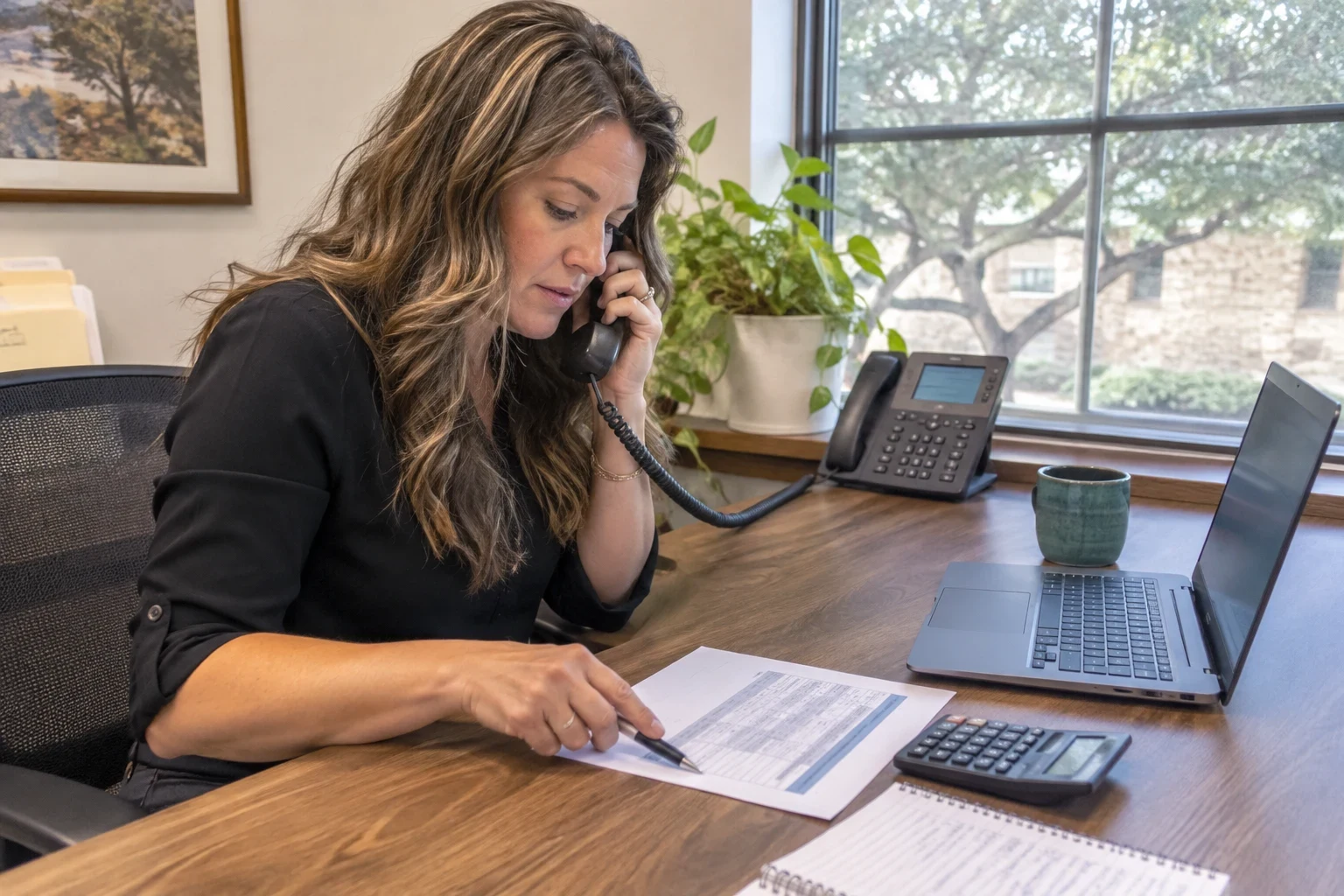
Find out if a USDA loan fits your purchase
Tell us where you are looking and what your income looks like. We will check eligibility, give you a rate quote and explain your options in plain terms.